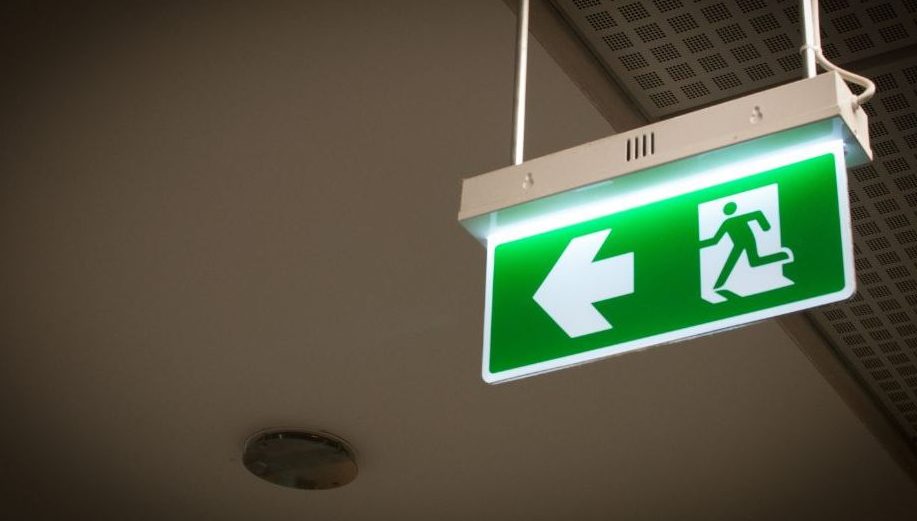
EMERGENCY LIGHTING BS5266-1 (CODE OF PRACTICE) & BS EN 1838
Under the Regulatory Reform (Fire Safety) Order 2005, the Responsible Person must make sure people can safely escape if the normal lighting fails. If a building would be unsafe in the dark during a power cut or fire, then emergency lighting is legally required.
In practice, emergency lighting is expected in most non-domestic buildings such as:
Offices, Shops, Warehouses, Factories, Schools, HMOs and common areas of flats, Places open to the public
The exact requirement depends on a fire risk assessment, and systems must meet British Standard BS 5266 where emergency lighting is needed.
Keeping your emergency lighting compliant means making sure it’s regularly checked, tested, and working properly when you need it. This helps you meet your legal fire safety duties, keeps people safe in an emergency, and gives you peace of mind that your system meets the required standards.
We provide a complete end-to-end service, covering everything from system design and installation through to commissioning, fault finding, and ongoing maintenance. This means we don’t just install systems — we make sure they are correctly designed for the building, fully tested, working as intended, and properly maintained throughout their lifespan, giving our customers confidence and peace of mind.